
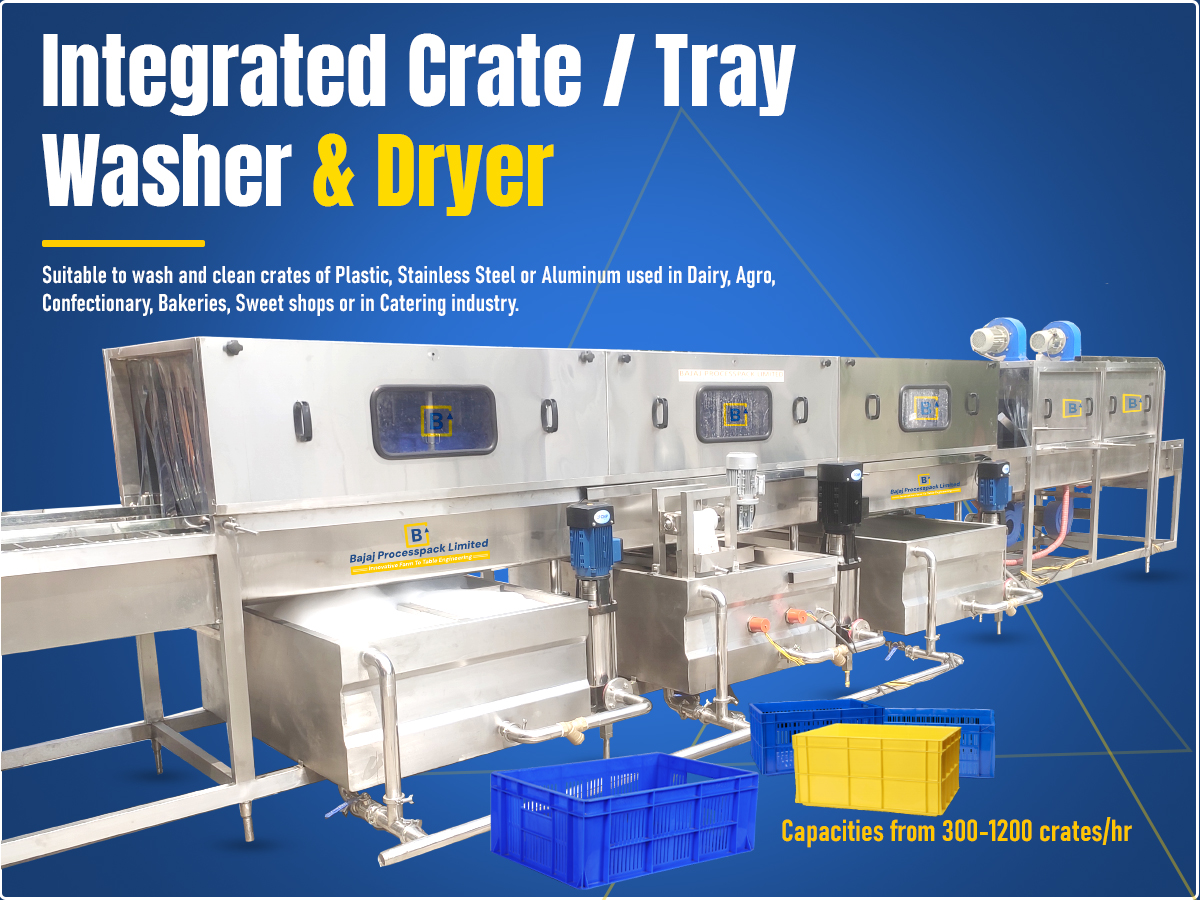
Top 5 Facts About Crate Washer Systems | Reduces Wastage by 47% | Reduces Manpower by 82%
Introduction: The Cost of Compromised Hygiene in Production Lines
In modern food processing, dairy, logistics, and FMCG industries, maintaining proper hygiene is no longer optional—it is essential for smooth operations. Every tray, container, and bin moving through the production line plays an important role in protecting product quality and preventing contamination. An Industrial Crate Washer helps maintain better cleanliness, improve hygiene standards, and support safer production processes.
Despite this risk, hundreds of manufacturing hubs still rely on outdated manual cleaning systems. Laborers armed with standard water hoses and manual scrubbers cannot provide the thermal uniformity or high-pressure impact required to reliably sterilize complex structural surfaces. This operational bottleneck directly causes elevated product batch wastage, intense water inefficiencies, and excessive labour overheads.
To bridge this operational vulnerability, investing in a high-efficiency industrial crate washer is the definitive upgrade. Transitioning to automated washing systems eliminates manual performance variations, standardizes quality assurance parameters, and secures your operational pipeline against strict compliance audits.
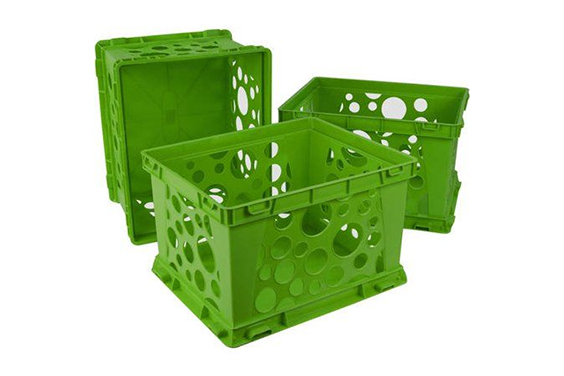
Fact 1: Automated Washing Systems Cut Manual Manpower by Up to 82%
Relying on physical labour for material handling and container sanitation is highly inefficient and expensive. Manual cleaning requires a dedicated multi-tiered workforce to scrub, spray, transport, and hand-dry individual storage units. Even with heavy oversight, manual cleaning processes remain slow, inconsistent, and highly error-prone.
By implementing an engineered crate washing machine, you completely redefine plant workflows. The automation architecture minimizes human intervention to simple entry-feed monitoring and exit stacking. A single operator can manage the intake of a multi-stage system, allowing you to reallocate up to 82% of your washing personnel to high-value production zones. This reduction in labour dependencies mitigates absenteeism risks, cuts training costs, and scales your output capacity exponentially.
Fact 2: High-Precision Thermal Engineering Reduces Spoilage and Wastage by 47%
Hidden organic residues, fine proteins, and chemical fats build up in corners, grid matrix seams, and handles of unwashed containers. If these stubborn stains are not thoroughly removed, they become breeding grounds for bacteria, mold, and bio-films. When fresh batches of bakery items, fresh agro-produce, or catering provisions touch these contaminated surfaces, cross-contamination happens instantly. This severely reduces product shelf-life and results in expensive batch rejections.
The solution lies in the advanced mechanics of an automated tray washing machine. These commercial systems combine continuous thermal cycles with precisely aimed high-impact spray jets to strip away organic matter at a microscopic level. Eliminating persistent contaminants prevents batch-to-batch structural decay, dropping your direct product spoilage and transport-related wastage by an average of 47%. Protecting your product at this touchpoint ensures greater yield security and maximizes profits.
Fact 3: Multi-Stage Zoning Increases Measurable Material Cleanliness by 37%
Standard manual cleaning can leave surface areas unevenly washed. Hard-to-reach internal corners and deep base ridges often retain microscopic pathogens. An automated heavy-duty tray washer ensures 100% repeatable coverage across every millimetre of the container surface.
The container goes through an advanced, continuous multi-stage path inside the tunnel:
- Zone 1: Recirculating Heated Pre-Wash: Softens heavy grease, stubborn stains, and dried superficial dirt using high-volume water loops.
- Zone 2: Main Chemical Detergent Wash: Multi-angle spray headers apply customized alkaline detergents to dissolve tightly bound fats and oils.
- Zone 3: High-Pressure Sanitizing Rinse: Flushes remaining chemical residues with fresh water at high temperatures to kill microbial populations.
This systematic treatment achieves a verified 37% increase in clinical hygiene and absolute cleanliness ratings compared to manual washing. This level of sanitation ensures your operations easily pass strict regulatory inspections and internal food safety audits.

Fact 4: Advanced Recirculation Saves Valuable Water and Chemicals
Traditional manual hose washing wastes immense amounts of water by letting it run straight down the drain. This process uses excessive amounts of water and chemicals while driving up utility costs and wastewater treatment surcharges.
As a leading crate washer manufacturer, Bajaj Processpack builds eco-friendly sustainability directly into our machine designs. Our advanced systems feature multi-tier stainless steel filtration systems that catch particulate debris while continuously recycling water through heated tanks. This smart design dramatically reduces raw water and active chemical intake. It cuts utility consumption costs while maintaining the consistent chemical concentration required for heavy industrial cleaning cycles.
Fact 5: Material Flexibility Cleans Plastics, Stainless Steel, and Aluminium Seamlessly
Industrial lines often utilize a diverse mix of material-handling tools. Whether your facility handles a deep washer tray configuration, a specialized milk crate washer, or a large volume bin washer, your processing equipment must be versatile.
Modern industrial washers feature highly adjustable internal guide rails, variable speed conveyors, and flexible nozzle manifolds. The system seamlessly handles plastic material-handling boxes, heavy stainless-steel trays, and lightweight aluminium catering components without requiring structural changeovers or causing mechanical downtime. This universal compatibility simplifies plant operations and protects your equipment investment as your production needs evolve.
Before vs After: The Profit Impact of Upgrading to an Industrial Crate Washer
Many manufacturers view crate cleaning as a routine activity, but in reality, it directly affects operating costs, manpower efficiency, hygiene performance, and production speed.
With manual cleaning systems, facilities often struggle with high labour dependency, inconsistent sanitation, excessive water usage, and slower turnaround times. These hidden inefficiencies gradually increase operational expenses and reduce overall productivity.
After upgrading to an automated Industrial Crate Washer, the impact becomes measurable across multiple departments.
| Before Manual Washing | After Automated Crate Washer Installation |
| High labour dependency | Up to 82% reduction in manpower requirement |
| Uneven cleaning results | Up to 37% improvement in hygiene consistency |
| Higher product contamination risk | Up to 47% reduction in spoilage & handling losses |
| Excessive water consumption | Up to 35% optimized water utilization |
| Slow cleaning cycle | Up to 73% faster washing throughput |
| Manual handling delays | Up to 55% improvement in workflow efficiency |
| Higher operational cost | Up to 30% lower operating expenses |
| Moisture retention after wash | Up to 90% improved drying efficiency* |
| Inconsistent sanitation | High-repeatability automated cleaning process |
Frequently Asked Questions (FAQ)
-
What is an Industrial Crate Washer?
An Industrial Crate Washer is an automated cleaning system designed to wash, sanitize, and optionally dry crates, trays, bins, and reusable containers used across food processing, dairy, beverage, logistics, bakery, and poultry industries.
These systems use high-pressure spray nozzles, controlled washing cycles, and multi-stage cleaning zones to ensure hygienic and repeatable cleaning performance.
-
Can the machine wash trays and bins apart from crates?
Yes. Modern systems can operate as:
- Tray Washer
- Tray Washing Machine
- Milk Crate Washer
- Bin Washer
- Washer Tray System
Depending on the design configuration, one machine can handle multiple container types.
-
Does an Industrial Crate Washer save water?
Yes. Advanced machines use:
- Water recirculation systems
- Multi-stage filtration
- Controlled spray technology
This helps reduce water usage and improve operational efficiency.
-
Can one machine work as a tray washing machine and crate washer?
Yes. Modern industrial crate washer systems can be configured to wash crates, trays, bins, and containers depending on production requirements.
-
How do I choose the right crate washer manufacturer?
When selecting a crate washer manufacturer, consider:
- Machine capacity
- Material quality (SS304 / SS316)
- Automation level
- Water consumption
- Drying options
- Industry application support
- After-sales service
Conclusion:
Manual crate washing may appear simple, but hidden costs in labour, hygiene risks, and operational delays can affect long-term productivity.
An automated industrial crate washer, tray washer, or bin washer transforms cleaning into a faster, hygienic, and scalable process suitable for modern manufacturing environments.
Powered by — (Bajaj machine).