
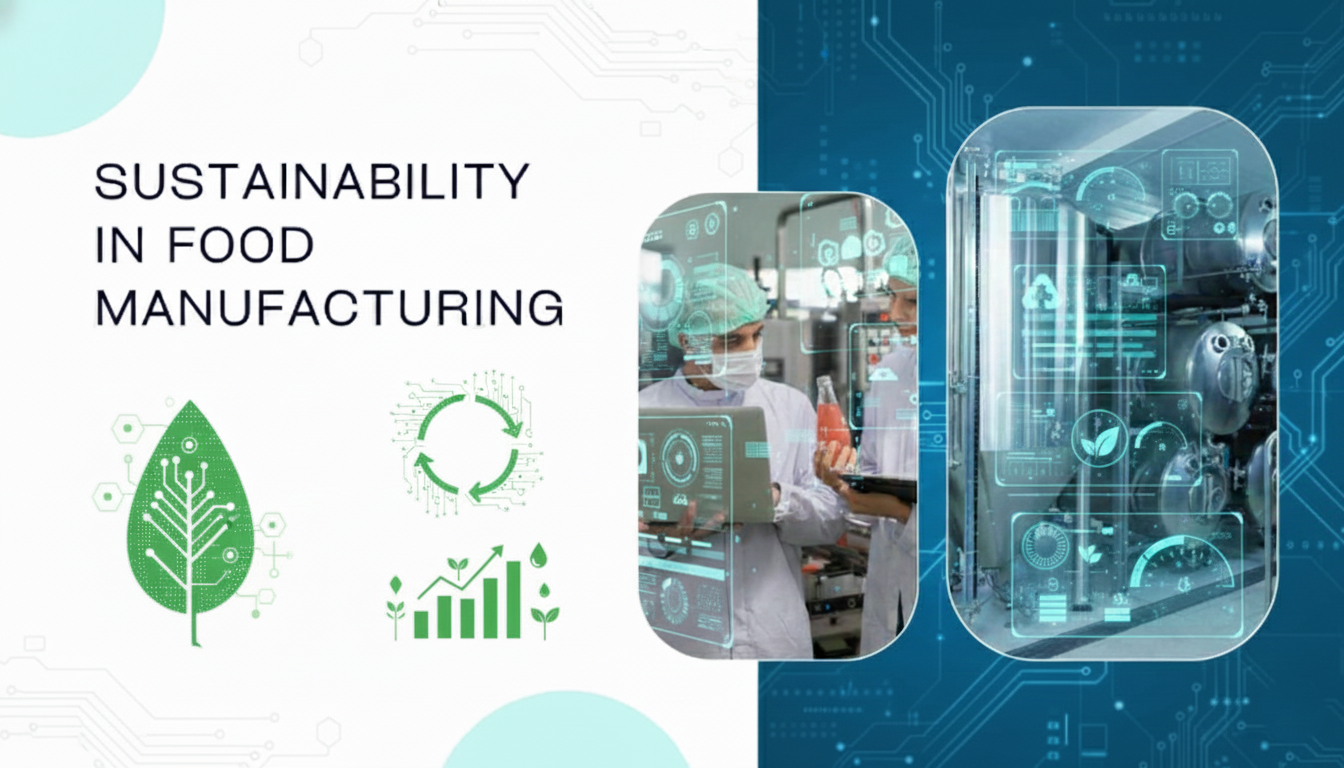
Sustainability in Food Manufacturing | How Efficient Equipment Cuts Carbon Footprints | Bajaj Processpack Ltd
Introduction:
Sustainability in food manufacturing is no longer a choice—it has become an industrial responsibility. With rising energy costs, stricter environmental regulations, and increasing awareness among consumers, manufacturers are now evaluated not only on production capacity but also on how efficiently they use resources. Energy consumption, water usage, and waste management directly impact a company’s carbon footprint, making sustainable manufacturing practices essential for long-term growth.
The Hidden Costs of Inefficiency:
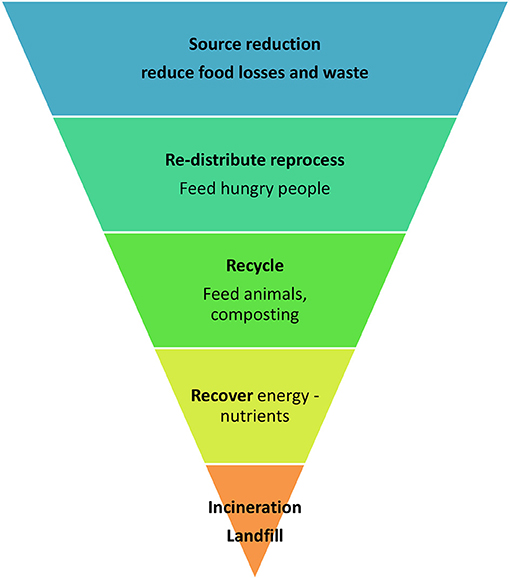
Outdated and inefficient food processing systems often consume excessive water, electricity, and raw materials. These inefficiencies may go unnoticed on a daily basis, but over time they lead to higher operational costs and increased carbon emissions. Excess water discharge, heat loss, and unnecessary power consumption place a heavy burden on both the environment and profitability. In today’s competitive market, such inefficiencies can limit scalability and sustainability goals.
 Our Approach to Sustainable Food Processing:
At Bajaj Processpack Ltd, sustainability is built into the design of every food processing system. Whether it is a pasteurizer, crate washer, or complete filling line, our equipment is engineered with energy optimization at its core. Features such as water recirculation systems significantly reduce fresh water consumption, while heat recovery mechanisms ensure minimal energy loss during processing. Advanced automation further improves efficiency by maintaining consistent performance with reduced manual intervention.
By integrating smart engineering and innovative technology, we help food manufacturers achieve higher output with lower resource consumption. This approach not only reduces environmental impact but also supports compliance with modern sustainability standards.
The Payoff: Business Growth with Environmental Responsibility:
Investing in energy-efficient food processing equipment delivers measurable benefits. Manufacturers experience reduced utility costs, lower maintenance expenses, and improved operational reliability. At the same time, a smaller carbon footprint strengthens brand reputation and aligns businesses with global sustainability initiatives. This balance between profitability and environmental responsibility creates a true win-win situation.
Conclusion:-
Sustainability in food manufacturing starts with smart machinery. By choosing efficient, eco-friendly equipment today, manufacturers can ensure long-term operational savings while contributing to a greener and more responsible future. With Bajaj Processpack Ltd as a technology partner, businesses can confidently move toward sustainable growth without compromising performance or efficiency.
FAQs:-
Q1. Why is sustainability important in food manufacturing?
Sustainability reduces energy consumption, minimizes waste, lowers carbon emissions, and ensures long-term operational efficiency.
Q2. How does efficient equipment reduce carbon footprints?
Energy-efficient systems use less water and power, recover heat, and optimize performance, resulting in lower emissions.
Q3. How does Bajaj Processpack Ltd support sustainable manufacturing?
Bajaj Processpack Ltd designs food processing machinery with water recirculation, heat recovery, and automation for eco-friendly operations.

Looking to upgrade your food processing facility with sustainable, energy-efficient equipment?
Connect with Bajaj Processpack Ltd today and take the first step toward greener manufacturing.